This is probably the single most expensive thing buyers in our communities get wrong, and it is expensive in a quiet way — you do not find out at the closing. You find out two years later, when you go to refinance, or sell, or when a neighbor makes a phone call.
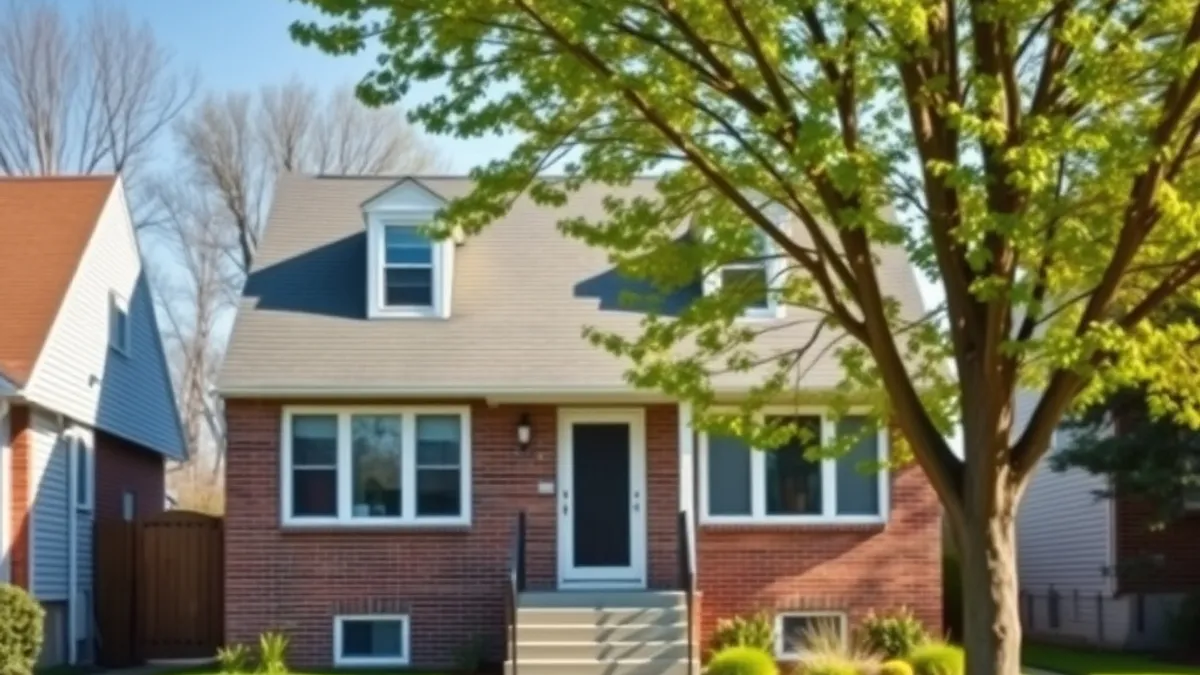
The situation is familiar everywhere from Boro Park to Lakewood: a house has a finished basement with its own kitchen and its own entrance, and it has had a tenant in it for eleven years. The seller tells you it rents for a certain amount, and that number is true. What the seller may not tell you — often because nobody ever told them either — is whether the municipality knows that apartment exists.
What the document is
A certificate of occupancy is the municipality's statement of what a building legally is: how many dwelling units, what they may be used for, and sometimes how many people may occupy them. It is issued when a building is built or when work is done that changes it, and it is the answer of record. Not the tax bill, not the listing, not what the neighbors have always called it.
The important idea is that a use can be old, obvious, well known and still not legal. There is no rule that turns an unpermitted apartment into a permitted one because it has been there a long time. In some cases a long-standing use is grandfathered, but grandfathering is a specific legal status that has to be established — it is not something that happens automatically because nobody complained.
Why it hits your wallet, not just your paperwork
- The appraisal. An appraiser who cannot verify a legal second unit generally values the house as a one-family. The rental income you were counting on may not count toward the value or toward your loan.
- The loan. If the income from that unit is what makes your debt-to-income ratio work, and the unit is not legal, the income comes out of the calculation. Deals collapse at underwriting over exactly this.
- The insurance. A claim on an apartment the carrier did not know about is a claim they may decline. This is the version of the problem that arrives after a fire.
- The resale. Your buyer's lender will run the same check yours did. You inherit the problem and then you have to sell it to someone.
- The violation itself. Fines, orders to remove the unit, and in some places the requirement to vacate a tenant. Legalizing after the fact can require egress windows, fire separation, ceiling heights and parking that the building physically cannot provide.
How to check, before you are committed
In New York City, the Department of Buildings publishes the certificate of occupancy, the permit history, and open violations for every address, and it is free to look up. Read the certificate of occupancy itself rather than a summary of it — it states the number of dwelling units per floor, in plain language. If a cellar or basement is listed as storage or recreation and there is an apartment in it, you now know something the listing did not tell you.
In Lakewood, Monsey, Passaic and the other suburban markets, the equivalent records sit with the township or village building department, and the practice varies. Some publish online; for others you call or go in. Ask for the certificate of occupancy and the permit history for the address. In many New Jersey towns a certificate of continued occupancy or a resale inspection is required before a sale can close — find out early whether your town requires one, because that inspection is frequently where an unpermitted apartment surfaces.
Ask the seller directly and in writing: is the second unit legal, and can you show me the certificate of occupancy? A seller who has it will send it. A seller who changes the subject has answered you.
The physical tells
- A second kitchen where the certificate of occupancy says one dwelling unit.
- A basement apartment with bedroom windows too small or too high to climb out of — egress is usually the requirement that cannot be fixed cheaply.
- Ceiling height in a basement that feels low. There is a legal minimum, and a finished ceiling can quietly put a room under it.
- Two gas or electric meters on a house sold as a one-family, or one meter on a house sold as a two-family.
- An entrance added to the side or rear that does not appear in older photos of the house.
- A converted garage. This is its own category and it also involves parking counts, which many towns enforce strictly.
What to do when you find one
Finding an unpermitted unit does not automatically mean walking away. It means you are buying a different house than the one advertised, and the price should reflect it. Get an estimate from someone local who has legalized units in that specific municipality — not a general contractor's guess — for what it would take, and whether it is even possible on this building. Then decide whether the number works at a price that accounts for it.
Sometimes the answer is that it cannot be legalized at all, because of lot size, parking or egress. That is still useful to know. You can buy it as a one-family at a one-family price with your eyes open, and that is a legitimate deal. What you must not do is pay a two-family price for it.
Whatever you find, this is the point where your own attorney earns their fee. Have them confirm the certificate of occupancy and the violation history before your contract goes hard, and put the answer in the contract rather than in a conversation.